


🇲🇽🇱🇧 Veracruz native Daniel Lajud is fulfilling his grandfather's dreams - and his own - with Lebanon
One of many Mexicans with Lebanese heritage, Lajud hopes to help the Cedars to a first-ever knockout stage match at the Asian Cup in Qatar.

Daniel Lajud wants to stress that he didn’t even think about it for a minute.
There was no hesitation. The offer came, and he took it. Just like that.
He had to represent Lebanon. There was nothing more to it.
“I never doubted at all. It’s something I always talked about,” Lajud said Thursday. “My grandfather, God rest his soul, always instilled the Lebanese roots and culture in me, and he once asked me that if I had the chance to play for the Lebanon national team not to waver, to do it for him, that it would be a dream come true for him.
Today, the midfielder will suit up for Lebanon in the opening match of the Asian Cup as the Cedars square off with host Qatar (11 a.m. ET, Paramount+ in the U.S.).

Lajud was born in Veracruz and joined the Monterrey academy as a teenager. Despite scoring in his Rayados debut, he didn’t stick and has been in the second division since 2020.
It’s one thing to have the desire to play for Lebanon and another thing to have the paperwork. The Lebanese federation contacted Lajud to express interest, but the document process took two years until he got a call he could eagerly accept in November 2022.
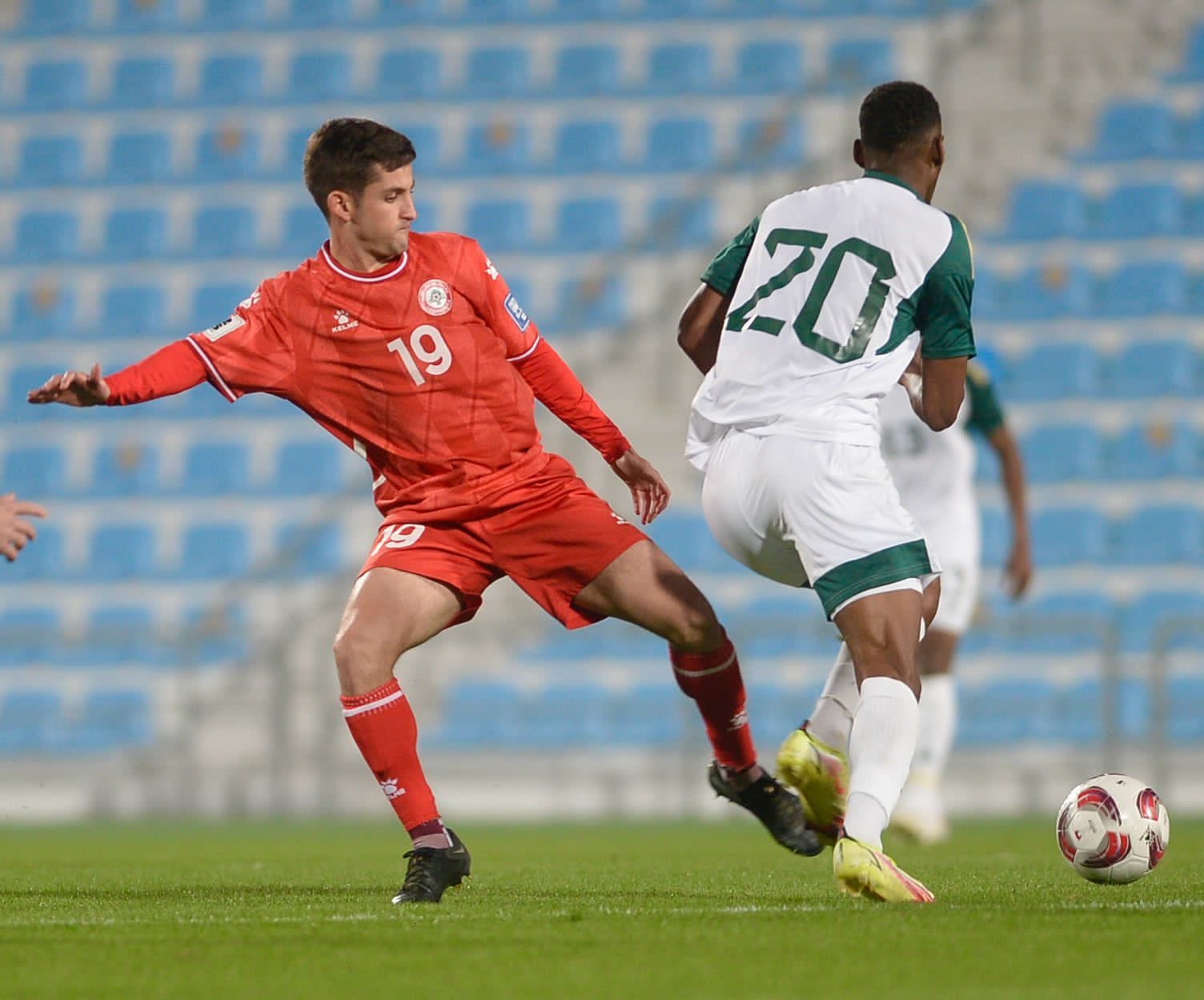
So badly did Lajud want to play for Lebanon that he actually postponed his own wedding to do so, setting up a breakneck finish to the year. He won the league with Atlante, traveled to Dubai the next day, made his Lebanon debut in a friendly, returned to Mexico for his wedding and then finally enjoyed some rest on his honeymoon.
“It was really exciting, a dream,” Lajud said. “It was just a spectacular close to the year. I’ve now been coming into the national team for a year and every call-up has been better than the last.”
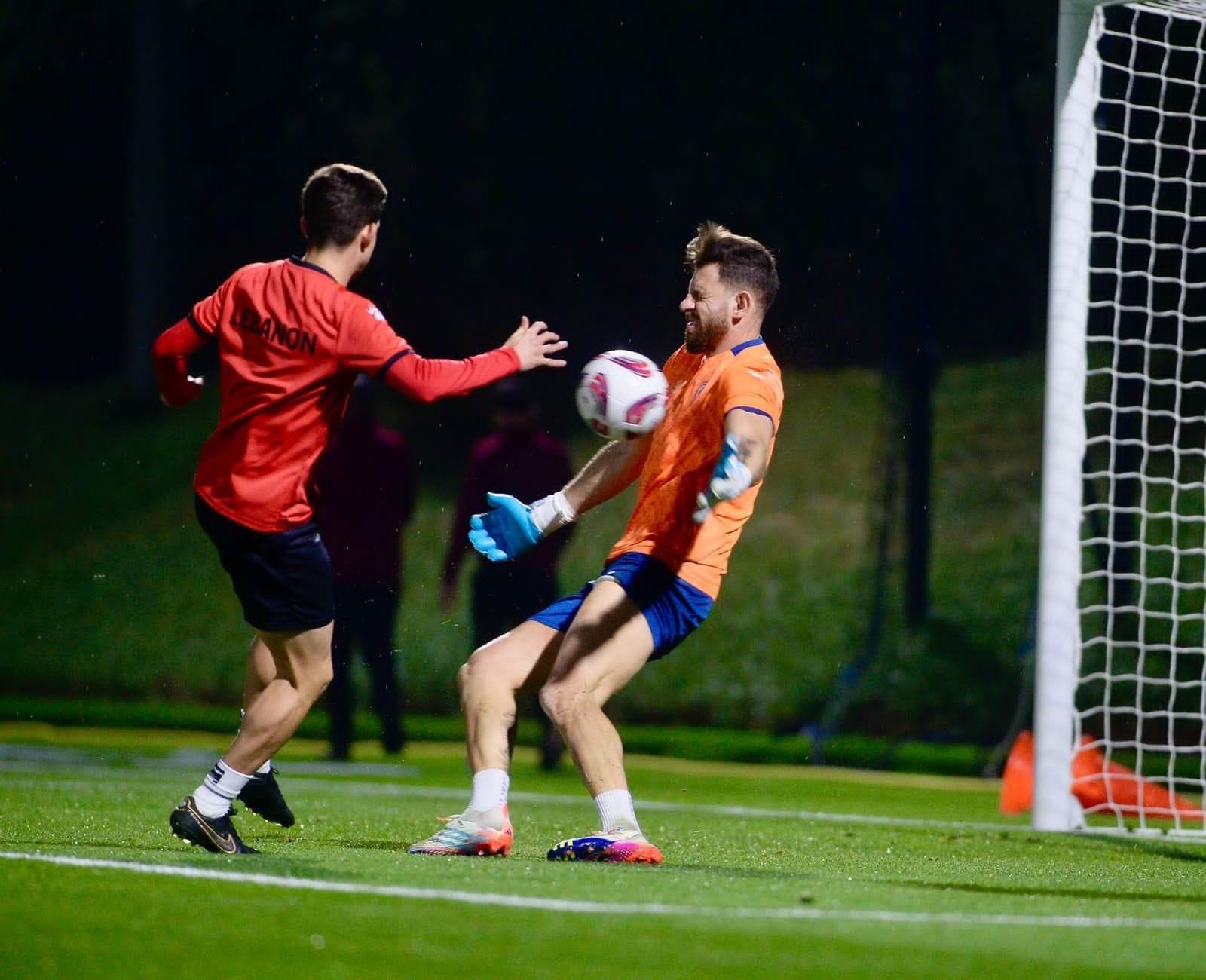
This definitely is the most high-profile camp Lajud has been a part of, ahead of Asia’s continental championship. After meeting host Qatar, Lebanon faces China and Tajikistan. The top two teams in the group advance along with all but two third-place teams.
“I want to play my best role possible,” he said. “I want to score, to assist, I want to help the team however I can. If I’m called on to be a starter, I’ll give my best effort. If I’m a substitute, never stop running, fighting, helping the team with whatever I can. If I don’t play, support the team.”
The team should utilize Lajud’s talents, though. A quick, creative player who is good on the ball and has a strong shot from long distance, Lajud gives Lebanon something the historically defensive team lacks.
That will be critical if the team is going to reach its stated objective: “We’ve never gotten out of the group,” Lajud notes. “That’s the first goal: Getting to the next round would be historic for the national team. From there, we’d go game by game and go as far as possible.”
No matter how much of a part he plays at the Asian Cup, Lajud will not become Mexico’s most famous person with Lebanese heritage.
That title likely will stay with megastar actress Salma Hayek, with Carlos Slim, the richest person in Latin America or with Peso Pluma, the most streamed musical artist on YouTube in 2023.
He may not even be the most famous soccer player of Lebanese heritage with Gibran Lajud, Jose Abella, Hiram Mier and Bruce El-mesmari, plus recently retired Miguel Layun among players in that category.
Soccer won’t ever be the most famous cultural interchange between Lebanon and Mexico, either.
Mexico’s beloved tacos al pastor originated when Lebanese immigrants brought shawarma to Puebla in the 1930s, soon becoming tacos arabes. Being largely Christian, the Lebanese transplants had no problem putting pork on the spit instead of the traditional lamb and al pastor was born.
But for Lajud, the commitment to continue with the long flights, checking for news updates on the turbulent Middle East and missing club games is worth it even if no one notices.
“The national team is important for me because it’s my roots. I made a promise to my grandfather,” he said. “I’ve been with the national team for a year and have grown a lot and learned. My goal is to keep coming in, look to qualify for the World Cup which has never happened for Lebanon.”
Lajud plans to continue digging into his roots. Most of his teammates speak English, as does current manager Miodrag Radulović. Yet, Lajud is enrolling in Arabic classes so he won’t need teammates to translate when he wants to communicate with federation officials or local fans.
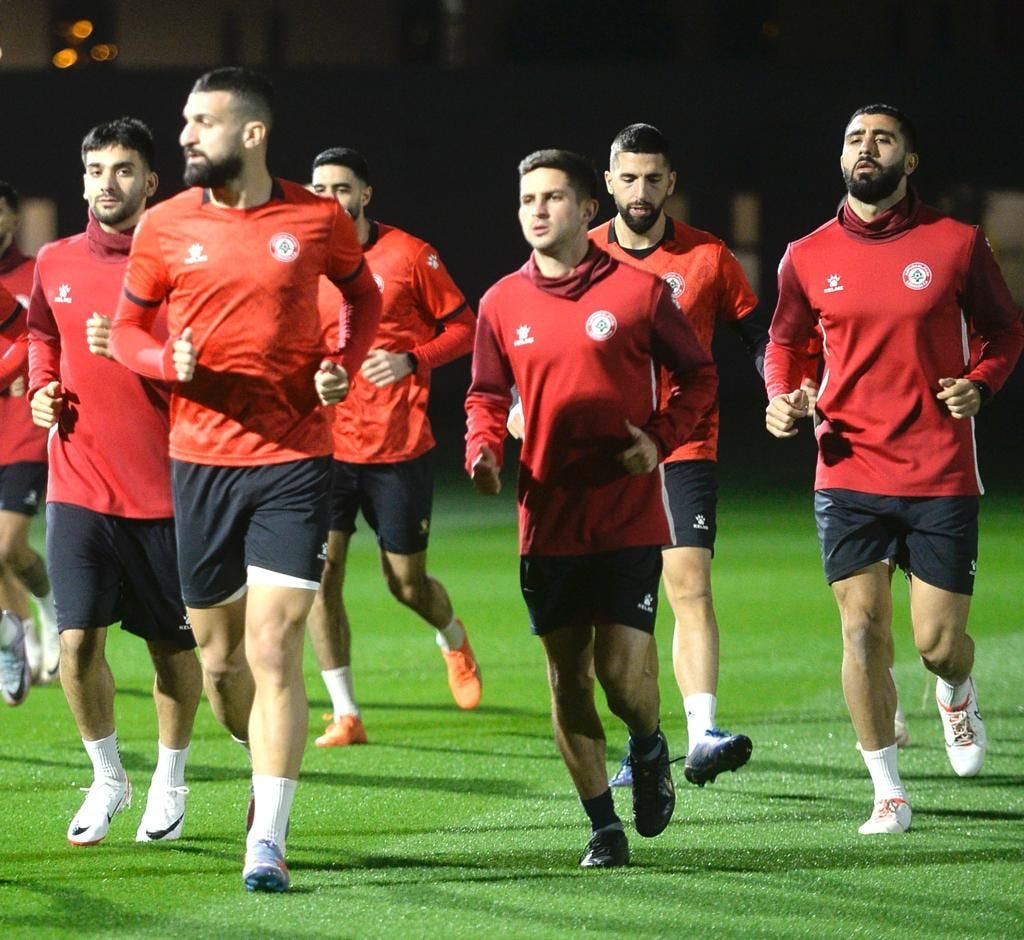
It’s also something enriching on a personal level. While Lajud says he was never fully immersed in Lebanese culture growing up, the lessons from his grandfather and the food and sweets cooked by his grandmother helped him better connect with his heritage. So, too, have his teammates, many of whom he now considers good friends and stays in touch with even when Lebanon isn’t playing international matches.
All of it has made him not just a better soccer player with more opportunities but also a better human.
“I’ve been with the national team for a year and have grown a lot as a person and learned a lot,” he said.
Still, the task beginning today is about being the best player possible. “Being here, I have to take advantage of the opportunity and the chances I get,” Lajud said. “It’s a big showcase. This is the most important tournament in Asia. I’m happy to be here and I’ve got to take advantage of it.”
And every time Lebanon calls him back, it won’t take him long to answer, as he lives out the dreams he’s setting out for himself and those of his grandfather.